Column · @andresaqvv531
What to Expect During Professional Termite Control Services
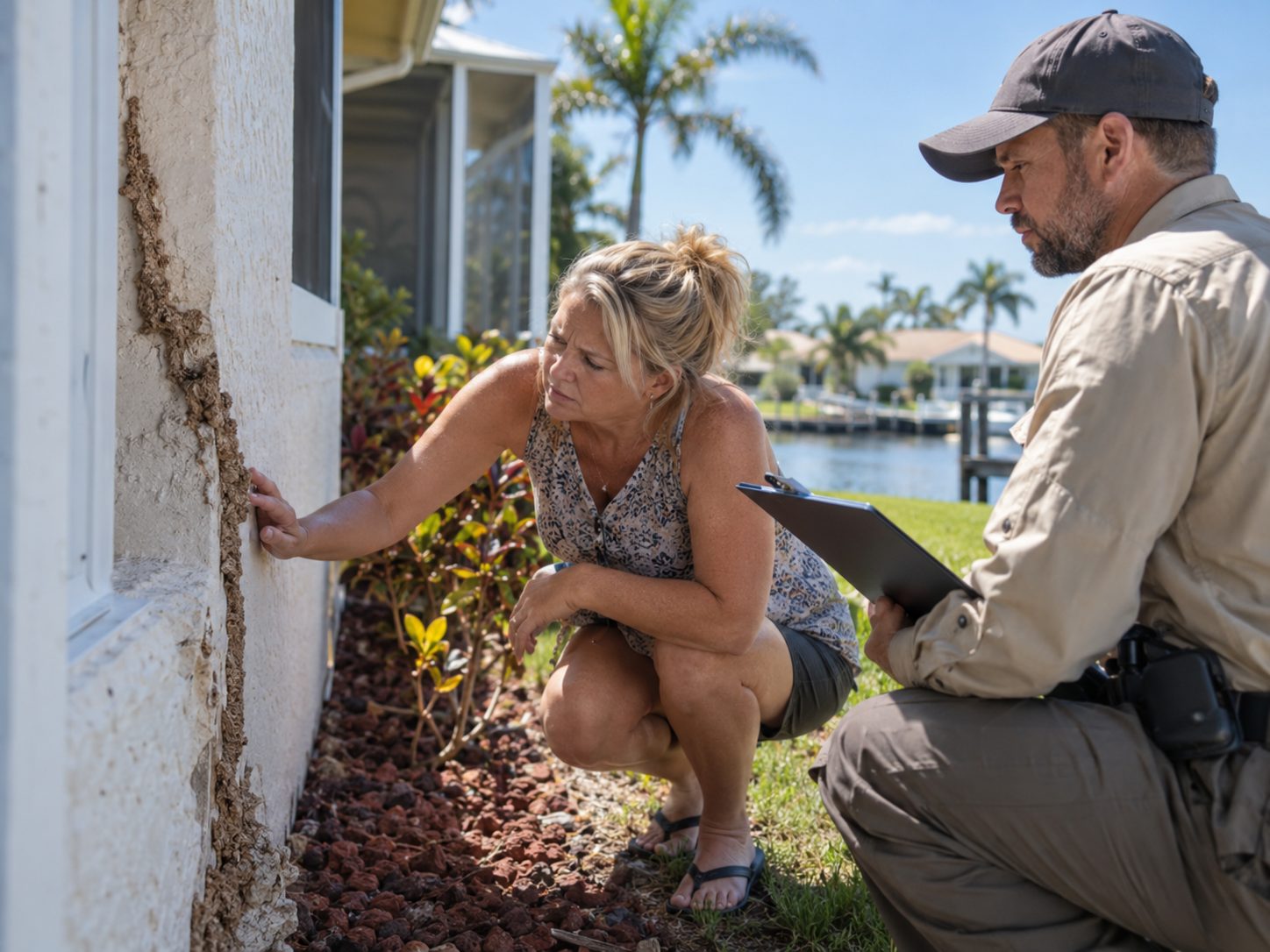
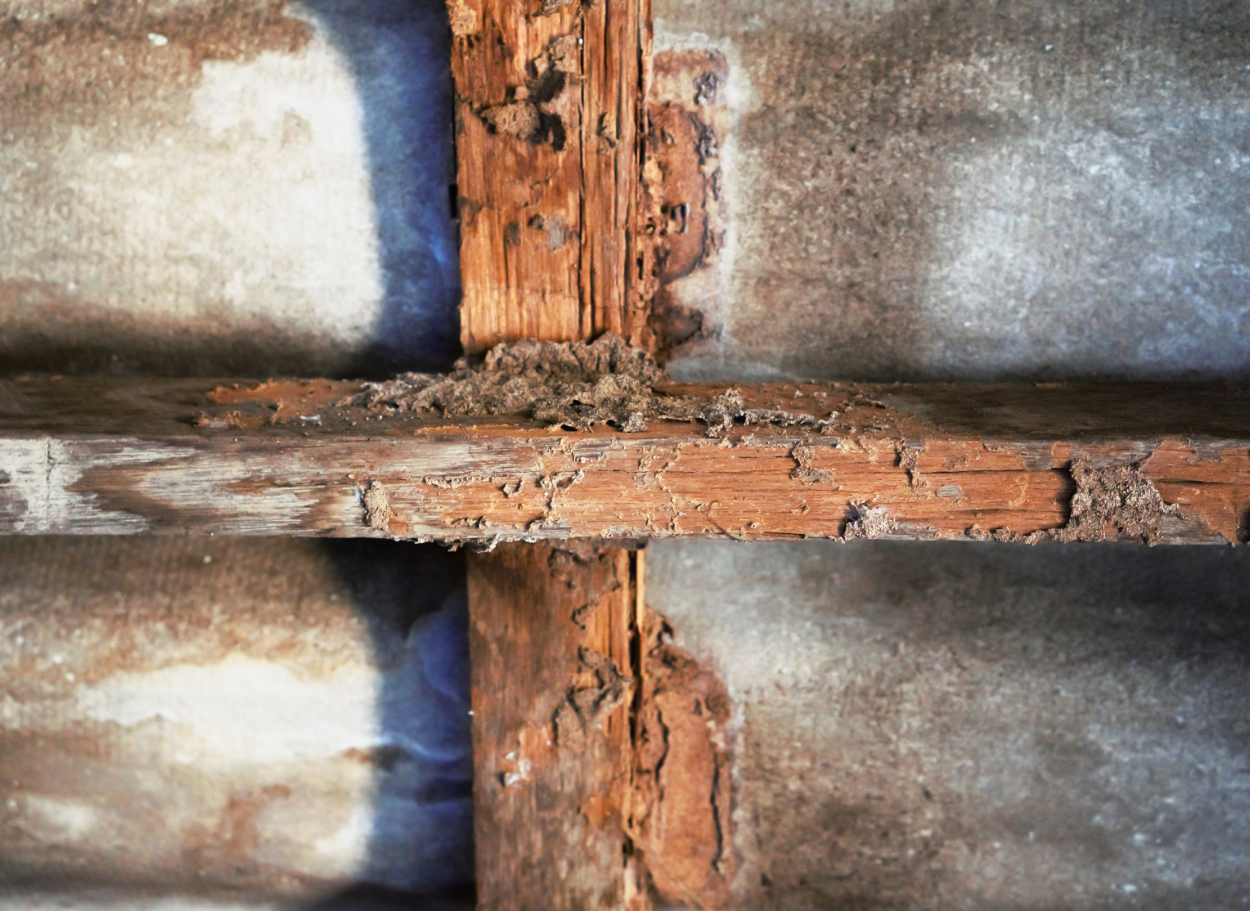
Finding termites is unnerving for any property owner. Even people who stay calm through plumbing leaks, roof repairs, and electrical work tend to react differently when an inspector points to mud tubes on a foundation wall or hollowed trim near a window. That reaction makes sense. Termites work quietly, often for months or years, and by the time they are visible, they may already have caused structural damage.
Professional termite control services are designed to do more than kill the insects you can see. A proper service identifies the species involved, maps out the extent of activity, chooses a treatment that fits the construction of the building, and sets up a plan to prevent the colony from returning. The experience is usually more methodical than homeowners expect. It is not simply a technician spraying a baseboard and leaving.
If you have never gone through the process before, it helps to know what will happen at each stage, how long it may take, what questions are worth asking, and where expectations should stay realistic. Termite work can be highly effective, but it is rarely casual work.
The first visit is usually part investigation, part strategy session
A professional termite job starts with inspection, not treatment. That distinction matters because termite species behave differently, and the treatment that works for one infestation may be a poor fit for another.
In many regions, the most common concern is subterranean termites. These termites live in soil and travel into a structure through cracks, utility penetrations, expansion joints, or hidden pathways behind veneer and siding. Drywood termites are a different problem. They live directly inside the wood they consume and do not need soil contact. Dampwood termites, while less common in many service areas, are usually tied to persistent moisture issues and decaying wood.
An experienced technician does not simply confirm that termites exist. They look for where activity is happening, how termites are entering, what conditions are encouraging them, and whether there are signs of old damage versus active feeding. During a thorough inspection, expect the technician to examine accessible crawl spaces, basements, garages, exterior foundation lines, attic framing in some cases, window and door trim, and any area where moisture collects. If the house has a slab foundation, inspection may focus more on perimeter evidence, interior expansion joints, plumbing penetrations, and wall surfaces that show faint shelter tubes or staining.
Homeowners are sometimes surprised by how much tapping, probing, and flashlight work is involved. Termite inspectors often use a screwdriver or probe to test suspicious wood. Hollow-sounding trim, blistered paint, pin-sized kick-out holes, or maze-like galleries under the wood surface can tell an experienced eye a great deal. On one job, a homeowner was convinced the issue was isolated to a small section of garage framing. Once the wall adjacent to it was checked more carefully, the infestation pattern suggested a much wider soil connection. Treating only the visible section would have solved almost nothing.
By the end of the inspection, a reputable company should be able to explain what they found in plain language. You should not need to decode jargon to understand the risk.
You should receive a treatment recommendation that fits the structure
There is no single termite treatment that fits every building. The right plan depends on the construction type, the species involved, the severity of activity, local regulations, and whether treatment access is straightforward or complicated by hardscape, finished basements, radiant heat systems, or delicate interior finishes.
For subterranean termites, professionals often recommend one of two broad approaches, soil-applied termiticides or baiting systems. In some situations, they may combine the two. A liquid treatment typically involves trenching or drilling around the perimeter and applying a registered termiticide into the soil to create a treated zone. The goal is to intercept termites as they move between the colony and the structure. Modern non-repellent products are often preferred because termites pass through them without immediately avoiding the area, which improves transfer within the colony.
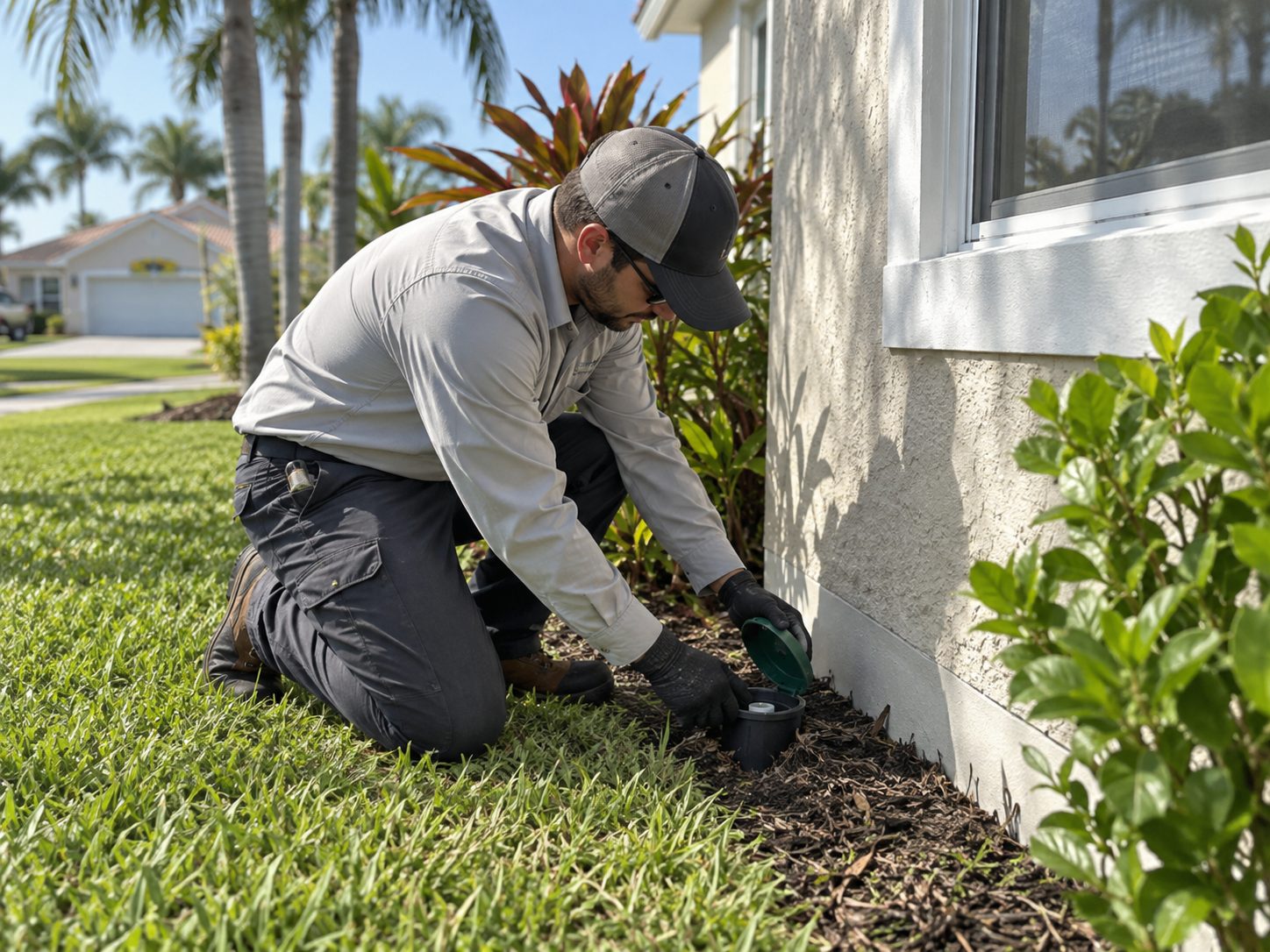
Bait systems work differently. Stations are placed in the soil around the home, and once termites begin feeding, a bait toxicant is introduced that disrupts the colony over time. Baits can be very effective, especially where trenching and drilling are difficult or where long-term monitoring is a priority. The trade-off is speed. A liquid barrier often offers more immediate structural protection, while baiting can require patience and regular follow-up.
Drywood termite service may involve localized wood treatment, void injections, spot applications, or in severe and widespread cases, whole-structure fumigation. Fumigation is often misunderstood. It is highly effective when performed correctly, but it is a large-scale procedure with preparation requirements, temporary relocation, and no residual protection after the gas is gone. That means if conditions remain favorable and new termites arrive later, a separate prevention strategy may still be needed.
A reliable provider should walk you through why they recommend one method over another. If the conversation feels rushed or overly scripted, that is worth noticing.
Expect a written scope of work, not vague promises
One of the clearest signs of a professional operation is a clear service agreement. It should describe the treatment area, the method being used, any drilling or trenching involved, whether follow-up visits are included, and what kind of warranty or retreatment guarantee applies.
This is where homeowners need to slow down and read closely. Some warranties cover retreatment only if termites reappear. Others may include limited repair coverage, usually with conditions. Many do not cover damage that existed before treatment. Some require annual renewal fees and periodic inspections to remain valid. That does not mean the warranty is bad, only that the details matter.
It is also normal for a company to note inaccessible areas. If a crawl space is blocked by stored items or a finished wall prevents access to a suspected entry point, they may document that limitation. That protects both sides. A company cannot responsibly guarantee treatment of an area they were never able to inspect or reach.
Preparing the home is usually simple, but it should be done carefully
Most termite control services do not require dramatic preparation, though the exact instructions depend on the treatment type. For standard subterranean termite treatment, homeowners are usually asked to clear access around the foundation, garage walls, utility penetrations, and crawl space entry. Fumigation requires much more preparation and a stricter checklist.
A basic prep list may include:
- Move stored items away from garage walls, foundation walls, and crawl space entrances.
- Trim back plants or remove mulch that blocks direct access to the treatment zone.
- Unlock gates, sheds, or fences that affect technician access.
- Point out known plumbing leaks, prior termite damage, or areas where you have seen swarmers.
- Ask in advance about aquariums, pets, and any temporary access restrictions.
Those small steps can make a large difference. A perimeter treatment is only as complete as the technician’s ability to reach the perimeter. Dense ivy, tightly packed storage, decorative rock borders, and locked side yards commonly slow the work or leave untreated gaps.
If fumigation is scheduled, expect a much more involved preparation process that may include bagging or removing certain consumables, opening interior doors, arranging lodging, and vacating the home for the required period. The fumigation crew should provide exact written instructions, and those instructions should be followed to the letter.
On treatment day, the process is often more mechanical than people imagine
Many homeowners expect termite service to resemble routine pest control. It usually does not. A termite treatment crew may spend several hours at the property, and the work can be noisy, dusty, and physically involved.
With a liquid subterranean termite treatment, technicians may trench narrow channels along the foundation, drill through concrete slabs, patios, garages, or porch surfaces, and inject termiticide into the soil at measured intervals. Drilled holes are commonly patched afterward, though the patch color may not perfectly match weathered concrete. That cosmetic mismatch is normal and worth discussing beforehand if appearance is a concern.
Inside, treatment may involve drilling small holes into wall voids or damaged wood members when active termite galleries are known or strongly suspected. In crawl spaces, technicians may apply foam or liquid to structural members, piers, and problem areas. The smell is usually far less intense than people expect from older pesticide formulations, but there can still be an odor, especially in enclosed spaces.
Bait installation Termite Control Services is less disruptive on the day of service. Stations are placed around the structure at intervals determined by the layout and risk conditions. The technician records their locations and will return periodically to inspect, replace cartridges, or add active bait if termite feeding is found.
For localized drywood termite treatment, the service may be surprisingly precise. A technician may identify exact gallery locations and inject material directly into infested wood or adjacent voids. That is effective when the infestation is truly limited. The challenge, of course, is confirming that it really is limited. Hidden spread is where drywood jobs can become more complicated than they first appear.
You may see evidence of the work after the crew leaves
Termite treatment is not always invisible. Around the exterior, you may notice fresh trench lines that settle after watering or rain, small patched drill holes in concrete, or bait station lids flush with the soil. Indoors, patched access points may remain visible until painted or finished.
This is one area where realistic expectations help. Professional termite control services prioritize effectiveness and code-compliant application over perfect cosmetic concealment. Skilled crews usually make neat, thoughtful repairs, but a treatment that protects the structure may still leave minor visual traces.
What you should not see is careless work. Soil should not be piled indiscriminately against siding. Drill debris should be cleaned up. Holes should be patched, and station locations should be documented. If interior access points were created, you should know exactly where they are.
Safety questions are normal, and good companies answer them directly
Any time pesticides are used around a home, people want straight answers about safety. That is reasonable. Ask what products are being used, where they are being applied, whether you need to leave during service, and when treated areas can be touched or re-entered normally.
For most standard termite treatments, occupants can often remain in the home, though they may be asked to avoid active work zones. Some companies prefer limited access to garages, patios, or crawl spaces during application. Fumigation is entirely different and always requires temporary vacancy under tightly controlled conditions.
Children, pets, aquariums, edible gardens, and wells deserve special mention. These are not unusual concerns. A competent provider will address them without acting as though you are being difficult. In practice, the quality of those conversations tells you a lot about the professionalism of the company.
Results are not always immediate in the way homeowners expect
This is one of the most common misunderstandings. A termite treatment can be successful even if you do not see dramatic visible evidence the next day. In fact, termites are secretive enough that visible change is often subtle.
With liquid soil treatments, the protection begins once the treated zone is established, but colony elimination is not always instant. With bait systems, the process may take longer because termites must find the stations, begin feeding consistently, and then carry the active ingredient through the colony. Drywood termite spot treatments can stop localized activity quickly, but if additional pockets exist elsewhere, fresh signs can still appear later.
That is why follow-up matters. A post-treatment inspection helps confirm whether activity has ceased, whether new mud tubes are old or active, and whether any inaccessible or high-risk areas need additional attention. It is also why the phrase “one-time fix” should be treated carefully. Some jobs truly are straightforward. Others require monitoring and judgment over time.
Follow-up visits are part of the service, not an afterthought
The best termite work is rarely a single date on the calendar. It is a sequence. Inspection leads to treatment, treatment leads to follow-up, and follow-up informs prevention.
If you are on a baiting program, routine inspections are essential because the stations are only useful if they are checked and maintained. If you had a liquid treatment, an annual termite inspection is still wise even when no activity is expected. Changes in drainage, landscaping, wood-to-soil contact, additions, cracked slabs, and plumbing leaks can all alter risk over time.
A seasoned technician often notices things during follow-up that the initial appointment could not fully reveal. Seasonal moisture changes can expose new evidence. Mulch that seemed harmless may now be piled too high against siding. A deck ledger, fence post, or foam insulation edge may turn out to be creating a hidden bridge into the structure. Termite control is part chemistry, part carpentry awareness, and part pattern recognition.
Some repairs may be needed after treatment
Treatment stops or suppresses the infestation, but it does not reverse physical damage already done. If termites have weakened joists, sill plates, door frames, trim, subfloor sections, or wall studs, repair work may still be necessary. In mild cases, that might mean replacing a small amount of trim and correcting a moisture issue. In more serious cases, a contractor may need to sister damaged framing or rebuild sections of affected wood.
This is another place where Termite Control Services honest communication matters. A termite company may document damage but not perform structural repair. Some firms handle both, but many do not. Knowing that distinction helps you plan realistically. Treatment protects the home from ongoing feeding. Restoration is a separate job.
A few signs of a provider worth trusting
Homeowners often ask how to judge whether a termite company is doing thorough work or simply selling a familiar package. There are a few things that tend to separate careful operators from rushed ones.
- They explain the species, the evidence, and the logic behind the treatment.
- They describe access limitations and do not pretend every structure can be treated identically.
- They provide a written scope, product details, and warranty terms without hedging.
- They discuss moisture, drainage, and construction conditions, not only chemicals.
- They schedule or recommend follow-up instead of implying the issue disappears forever after one visit.
That last point matters more than many people realize. Termites exploit conditions. If leaking hose bibs, poor grading, earth-filled porches, untreated additions, or direct wood-to-soil contact remain in place, the property may stay vulnerable even after a technically sound treatment.
What termite professionals wish homeowners knew
The most effective termite jobs happen when property owners treat the service as a partnership. The pest control company brings training, materials, and field experience. The homeowner provides access, maintenance history, and attention to the conditions that made the infestation possible.
That means fixing chronic leaks, keeping crawl spaces dry, avoiding stacked lumber against the house, maintaining clearance between soil and siding, and paying attention when swarmers show up near windows or doors. It also means not assuming that because activity is quiet, the problem is gone. Termites are famous for exploiting silence.
There is also a financial point worth stating plainly. Professional termite control services can feel expensive at first glance, especially when drilling, trenching, or fumigation is involved. But termite damage has a way of compounding. A treatment invoice is often far smaller than the cost of replacing flooring, rebuilding wall framing, repairing cabinetry, or correcting years of hidden structural loss.
For most homeowners, the process becomes much less stressful once they know what is normal. Inspection should be detailed. Treatment should be tailored to the structure. The work may be disruptive for a day, sometimes longer, and minor cosmetic evidence can remain. Follow-up is important. Repairs may be separate. Prevention is ongoing.
That is what competent termite service looks like in real life. It is not magic, and it is not guesswork. It is careful investigation, targeted treatment, and steady monitoring, done before a hidden insect problem becomes a much larger building problem.
Maximum Pest Control
836 NE 7th Terrace Suite #5
Cape Coral, FL 33909
+1 239-772-7363
FAQ About Termite Control Services
What are two signs of a termite infestation?
Mud tubes along a foundation and piles of shed wings near doors or windows are two signs to investigate. Mud tubes are associated with subterranean termites. A licensed inspector can identify the insect and assess whether there is active infestation.
How many years does a termite treatment last?
There is no single timeline for all treatments. The method, site conditions, and maintenance affect how long protection lasts. Bait systems rely on monitoring and service. Ask the provider for the recommended inspection schedule and the terms of any coverage.
Is Termite Treatment Expensive in Cape Coral?
Cost depends on the termite species, the size and construction of the property, the extent of activity, and the treatment method. Request a written estimate after inspection and ask whether monitoring, follow-up visits, and renewals are included.